How to Winterise a Caravan: A Step-by-Step Guide

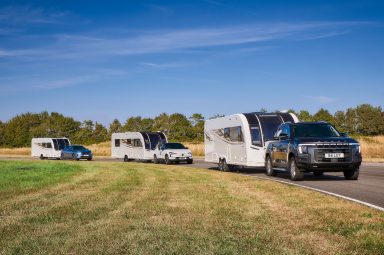
Modern caravans are built for winter touring, and if you like to explore year-round, there’s no reason why colder weather should bring your touring season to an end. We put this to the test during the Arctic Adventure, which offers some inspiration if you’re thinking of using your caravan over winter for the first time.
However, if you’re planning to put your caravan into storage until spring, a little preparation now can save a great deal of inconvenience and potentially costly repairs later. The caravan winterisation process isn’t particularly difficult, and it doesn’t require a cupboard full of specialist equipment. Most winter preparations can be completed in a few hours, helping to protect your caravan from frozen pipes, damp and other problems that can develop during the colder months.
This guide explains how to winterise a caravan, from draining the water system and protecting the leisure battery to looking after tyres, upholstery and security.
Caravan winterisation checklist:
This is a handy checklist. I’ll cover each in detail in this article.
- Drain the hot and cold water systems, including the water heater.
- Open all taps and shower controls.
- Empty onboard water tanks, where fitted.
- Empty the toilet cassette and flush reservoir.
- Maintain the leisure battery or disconnect and remove it where appropriate.
- Turn off the gas supply.
- Check tyre pressures and consider tyre protection.
- Leave blinds open
- Remove bedding
- Clean the caravan and remove all food.
- Leave the fridge door ajar using its winter storage catch.
- Fit approved fridge ventilation covers where appropriate.
- Secure the caravan with suitable wheel and hitch locks.

1. How to drain down a caravan water system
If there’s one job you shouldn’t overlook when winterising a caravan, it’s draining the water system.
Water expands when it freezes, and even a relatively small amount left inside a pipe, tap, pump or water heater can cause damage. Frozen pipes are one of the more expensive problems you might encounter when bringing a caravan out of winter storage, particularly if a split goes unnoticed until the system is refilled.
Fortunately, draining down a caravan is straightforward, but it’s always worth checking your caravan handbook before you start. Drain valve locations and procedures can vary by model and heating system.
Ensure the water pump is switched off. Next, locate and open the water system’s drain valve. Depending on your caravan and its equipment, this might be a yellow lever near the water heater. The valve is open when the ‘toggle switch’ points upwards.
Now open every tap, including the kitchen sink, washroom basin and shower. If you have mixer taps, position them midway between hot and cold so both sides of the system can drain. Don’t forget the shower head and hose, which can retain water even after the main pipework has emptied.
Leave the taps open in this position during storage.
Can a Floë drainage kit help?
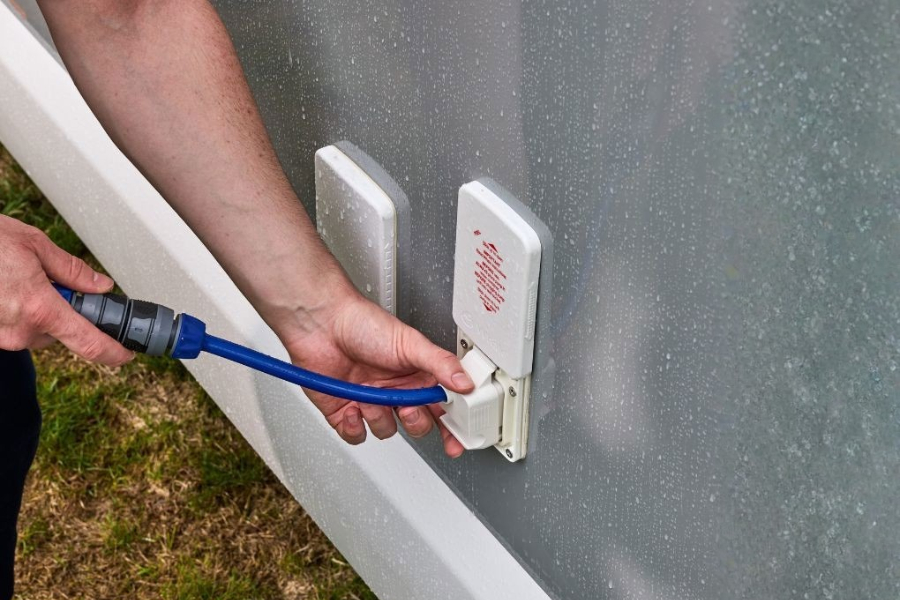
Gravity draining removes most of the water, but small amounts can remain trapped in the pipework. A Floë drainage kit is one option for removing this residual water.
It uses controlled air pressure to push remaining water out of the system, potentially reducing the risk of frost damage.
Always follow the Floë instructions and check compatibility with your caravan’s water system. Never exceed the pressure limits specified for the equipment.
2. Do you need to drain an Alde heating system?
This is where it’s important to distinguish between heating systems.
Following the procedure in step 1 will drain water from the hot and cold circuits in an Alde system.
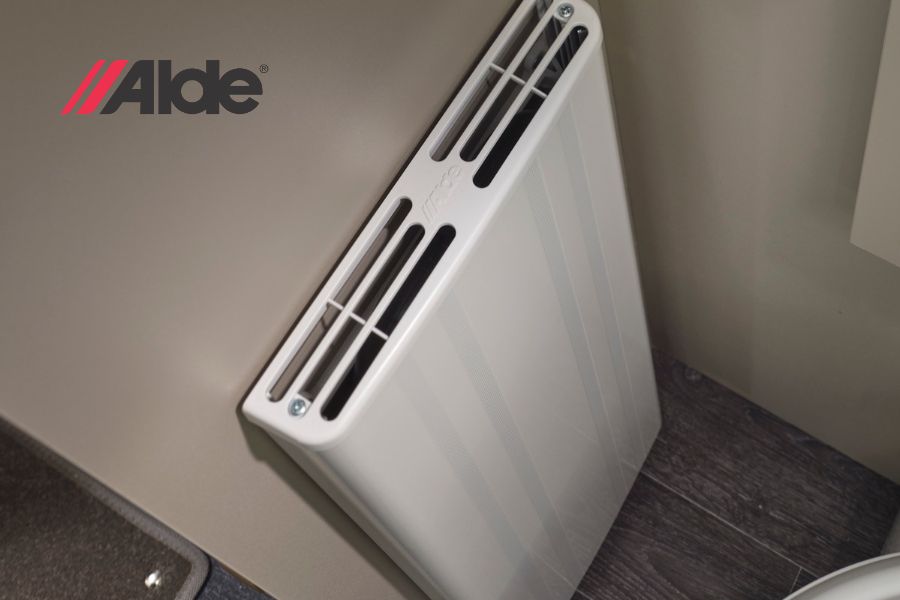
An Alde wet central heating system contains a glycol-based heat-transfer fluid with antifreeze protection. This sealed heating circuit doesn’t need draining for winter storage, provided the fluid is correctly maintained and offers adequate frost protection.
However, as mentioned, the domestic hot-water circuit still needs to be drained.
3. Empty onboard water tanks and external containers
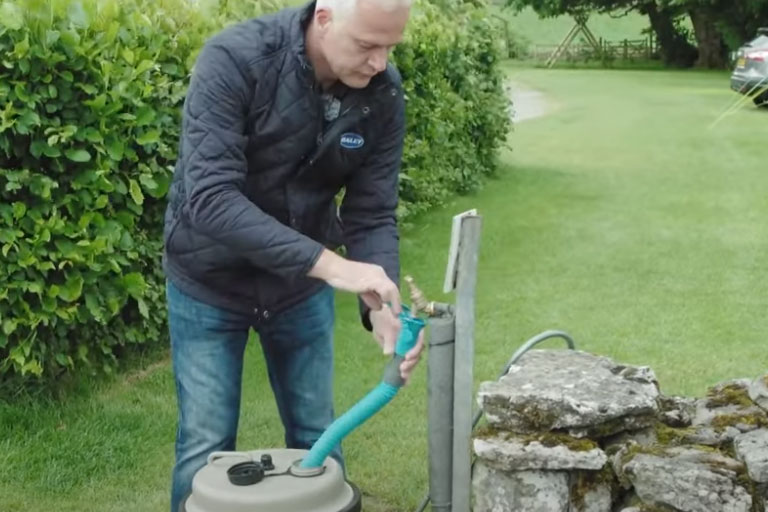
Some caravans have onboard fresh-water tanks, while others rely on external containers such as an Aquaroll.
If your caravan has an onboard tank, empty it using the designated drain valve and follow the manufacturer’s procedure to remove residual water.
External water containers should also be emptied, cleaned and allowed to dry. I generally store our Aquaroll in the caravan shower when it’s not being used. It keeps everything together and means there’s one less thing to remember when preparing for the next trip.
Don’t forget any removable water filters or filter housings. Water trapped inside them can freeze and cause cracks, so check whether they should be removed or replaced before the next season.
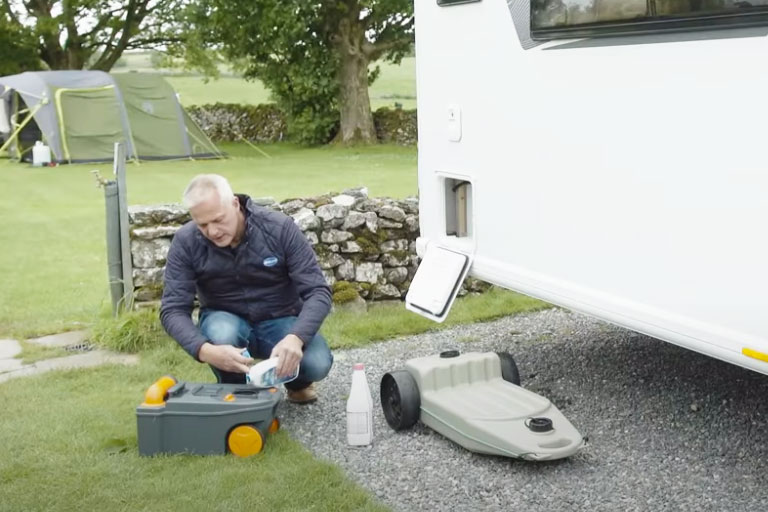
4. Winterise the caravan toilet
The toilet is another area where small amounts of water can cause problems in freezing conditions.
Start by emptying the toilet cassette at an appropriate disposal point, then rinse and clean it thoroughly.
If your toilet has a separate flush reservoir, you must also drain it. On some Thetford installations, a small drainage tube can be found behind the external toilet access door.
A suitable seal lubricant can help prevent rubber components from drying out during storage and sticking to the housing. If you haven’t got any seal lubricant, a dab of olive oil is a handy substitute.
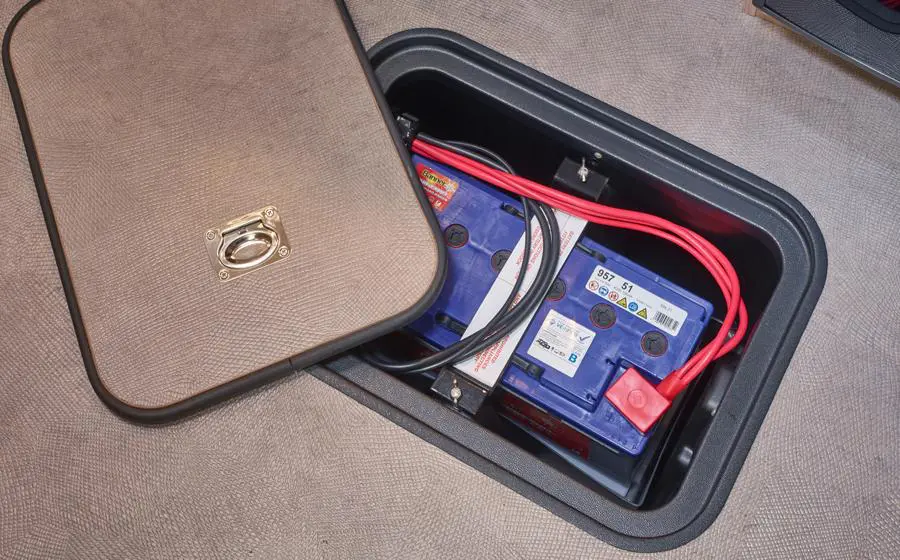
5. Look after your caravan's leisure battery and solar panel
Caravan leisure batteries don’t enjoy being left unused for months, especially when temperatures drop.
If your caravan has a suitable solar panel charging system or is connected to a compatible battery maintainer, it may be possible to keep the battery charged while the caravan is in storage.
Otherwise, consider disconnecting or removing the battery, provided doing so won’t compromise essential security equipment or insurance requirements.
If you remove it, store it securely according to the battery manufacturer’s recommendations and charge it every three to four weeks.
Different battery technologies require different treatment. Lithium batteries, for example, have specific charging and storage requirements, particularly in freezing conditions.
Whatever battery you have, the important thing is to avoid leaving it neglected for several months.

6. Turn off the caravan gas systems
Before leaving your caravan in storage, switch off all gas appliances and close the valves on the gas cylinders.
Check that the cylinders are properly secured in the gas locker and that the locker ventilation remains unobstructed.
There’s generally no need to remove them simply because winter has arrived, although individual storage sites may have their own requirements.

7. Protect your caravan's tyres during winter storage
Caravan tyres can spend a surprisingly long time supporting the same weight in the same position.
Over several months, this can contribute to flat spotting, particularly if pressures are low.
Before storage, check the tyre pressures against the figures specified for your caravan and inspect the sidewalls for cracking, cuts or other damage.
It’s also worth checking the age of the tyres. The four-digit manufacturing date code on the sidewall identifies the week and year of manufacture.
As a general precaution, caravan tyres are commonly recommended for replacement at around five years old, even if the tread still looks perfectly serviceable.
Need a little extra reassurance when checking your tyre pressures? Explore the range of TyrePal monitoring systems at PRIMA Leisure.
Are tyre savers or winter wheels worthwhile?
Tyre saver ramps are shaped supports designed to spread the load over a larger section of the tyre, helping to reduce the likelihood of flat spots.
Another option is to use purpose-made winter wheels, which replace the road wheels while the caravan is in storage. If you use winter wheels, check that your storage facility and insurer accept them, and make sure you can still meet any security requirements.

8. Prevent damp and condensation inside your caravan
Damp is one of the biggest concerns for caravan owners during winter storage, although condensation and water ingress are two very different problems.
Condensation occurs when moisture in the air meets a colder surface. Water ingress, on the other hand, suggests that rainwater is finding its way into the caravan.
The best way to minimise condensation is to start with a clean, dry caravan and allow air to circulate. Leave internal doors slightly open where practical, and avoid packing belongings tightly against the caravan’s exterior walls.
Never block permanent ventilation openings to keep cold air out.
Should caravan blinds be left open or closed?
Leave the blinds open during storage. Keeping spring-loaded blinds closed for several months can place unnecessary tension on their mechanisms.
If you want to prevent people from looking inside, close the curtains instead, where fitted. However, make sure they aren’t trapping moisture against the windows.
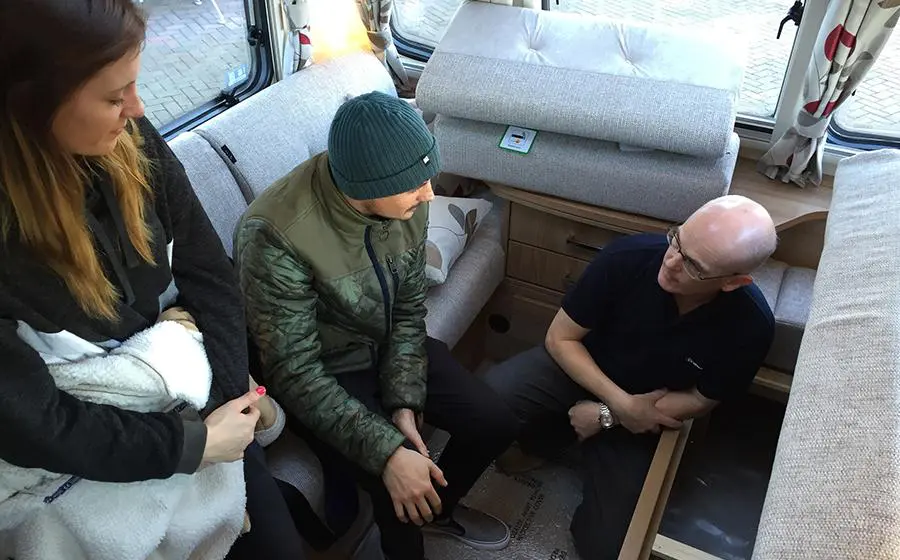
Should you remove caravan upholstery and soft furnishings?
If you have somewhere suitable to store the cushions and bedding, removing them is a good option. A dry room at home can provide a more consistent environment than a caravan sitting unused through winter.
However, removing every cushion isn’t essential. If the upholstery remains inside, move it slightly away from the walls to encourage airflow.
Bedding, towels and other soft furnishings are best taken home, particularly if they’re likely to absorb moisture.
Do caravan dehumidifiers work?
Moisture-absorbing crystals and passive dehumidifiers can be useful during winter storage, and it’s surprising how much water some of them collect. However, they aren’t a substitute for good ventilation or a solution to water ingress.
Place them somewhere secure where they cannot spill, and check them periodically.
Electric dehumidifiers may be suitable in certain circumstances, but they need an appropriate power supply and should only be used in accordance with the manufacturer’s instructions.

9. Clean the caravan and remove all food
A thorough clean before winter storage makes life much easier when spring arrives.
Start with the kitchen, removing food from cupboards, drawers and the fridge. This includes tins, packets and other items that might otherwise be forgotten.
Food crumbs and spills can attract rodents, so pay particular attention to areas around the cooker, seating and storage lockers.
Clean the washroom, wipe down surfaces and make sure everything is dry before closing the caravan.
Leave the caravan fridge door open.
Once the fridge has been emptied, cleaned and dried, leave its door slightly ajar.
Many caravan fridges have a winter storage catch that holds the door open just enough to allow air to circulate. This simple step helps prevent stale smells and mould developing inside the fridge. I forgot to do this once – never again!
If the fridge has a separate freezer compartment, check whether its door also needs to be left open.
Should you fit caravan fridge vent winter covers?
Some caravan fridges have removable external ventilation covers designed for use in low temperatures or when the appliance is out of use. These can help reduce debris entering the ventilation openings during storage.
However, they aren’t universal, and their suitability depends on the fridge model and the manufacturer’s instructions. Only fit approved covers where recommended, and remember to remove them before operating the fridge whenever the manufacturer requires this.
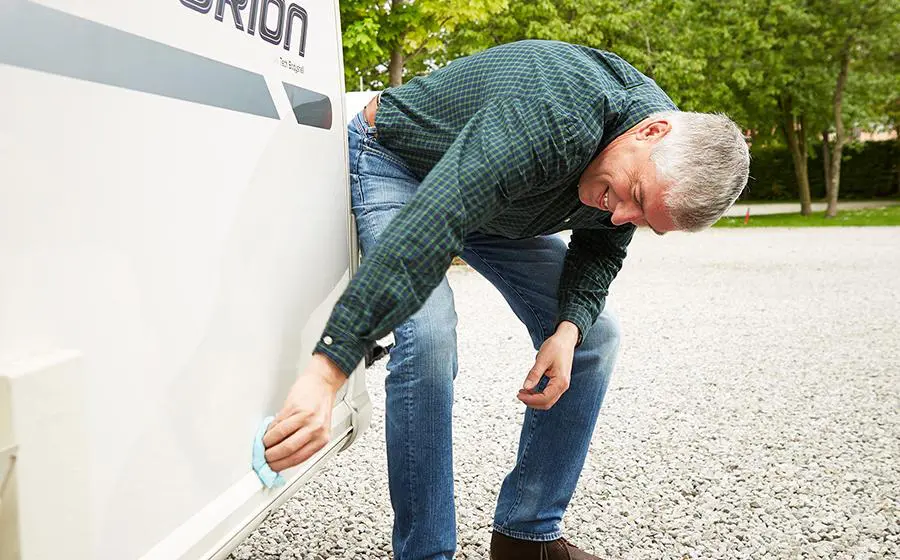
10. Clean and protect the caravan exterior
Winterising isn’t just about what happens inside.
Give the caravan a thorough exterior clean, removing road grime, bird droppings and dirt from the bodywork, roof and windows.
Pay attention to areas around window seals, rooflights and external fittings, where debris can accumulate.
Clean and lubricate locks, hinges and catches using suitable products.
Should you use a caravan cover in winter?
A good-quality, breathable caravan cover can provide additional protection against dirt, bird droppings and the elements.
However, make sure it’s designed for your caravan, fits correctly, and doesn’t obstruct essential ventilation.If ventilation is obstructed by the caravan cover, moisture can become trapped beneath it and against the caravan walls, potentially increasing condensation.
A poorly fitted cover that moves in the wind can cause abrasion, particularly if dirt gets trapped between the cover and the bodywork.
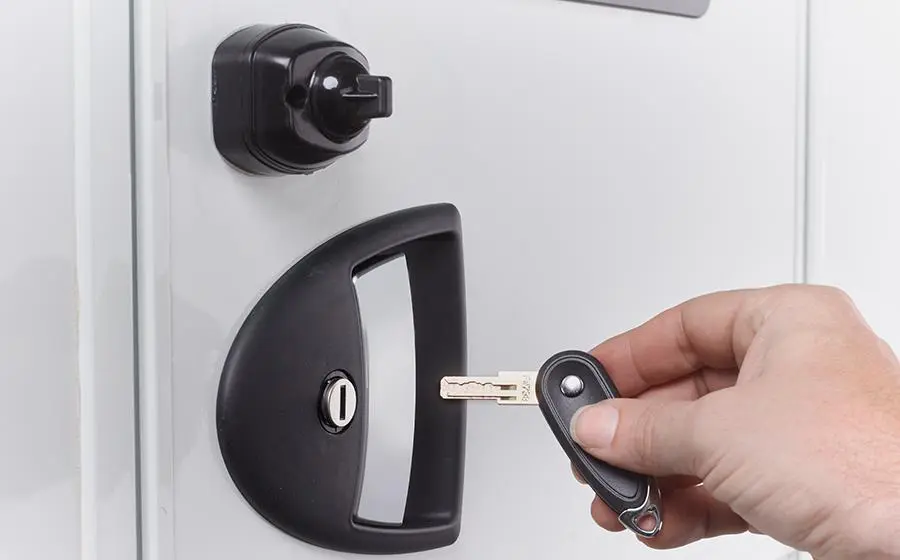
11. Secure your caravan for winter storage
Caravan security matters throughout the year, but especially when your caravan is left unattended for long periods.
Fit suitable wheel locks, hitch lock, etc., and ensure that all products meet your insurer’s requirements.
If your caravan has an alarm or tracking system, make sure it’s operating correctly and that the battery arrangement will keep it powered throughout storage.
Check your insurance policy before moving the caravan to a storage site, as insurers may specify particular security devices or approved locations.
Remove valuables, secure external lockers and check that windows, rooflights and doors are properly closed.
If possible, make occasional winter visits to your caravan. It’s a useful opportunity to check tyre pressures, battery condition, security equipment and any signs of moisture.

Winter caravan storage. A little preparation goes a long way
Winterising a caravan needn’t be complicated. In fact, once you’ve worked through the process a couple of times, most of the jobs become second nature.
The key is to pay particular attention to the water system, look after the battery and tyres, and make sure the interior is clean, dry and properly ventilated. Spending a little time on these jobs before winter sets in can help prevent unpleasant surprises when the warmer weather returns.
And when the first opportunity for a spring getaway arrives, you’ll be able to spend less time sorting out problems and more time enjoying your caravan.
Frequently asked questions about winterising a caravan.
Do you need to drain down a caravan in winter?
Yes, if your caravan will be left unused in conditions where temperatures could fall below freezing. Water left in the pipes, taps, pump or water heater can freeze, expand and cause damage. Draining down is one of the most important winterisation jobs.
Should you remove a caravan leisure battery over winter?
Not necessarily. If the battery can be maintained using a suitable charging system, it may be left in place. Otherwise, disconnecting or removing it may be appropriate, provided essential security equipment remains operational. Always follow the battery manufacturer’s storage guidance.
Should caravan blinds be left open during winter storage?
Yes. Spring-loaded blinds are best left open to avoid placing prolonged tension on their mechanisms. Use curtains for privacy if required.
How do you stop a caravan getting damp in winter?
Start with a clean, dry caravan, keep permanent ventilation openings clear and encourage airflow around cushions and cupboards. Moisture absorbers can help, but they won’t resolve water ingress or significant condensation problems.
Can you leave a caravan on its tyres over winter?
Yes, provided the tyres are in good condition and correctly inflated. Tyre savers or approved winter wheels may be useful for longer storage periods. If using winter wheels, check your insurance requirements.
Can you use a caravan during winter instead of winterising it?
Absolutely. Many modern caravans are designed for year-round touring, and winter trips can be particularly enjoyable. However, if freezing temperatures are forecast and the caravan will be left unheated and unused, you should still take appropriate precautions to protect the water system.
Previous
Alde or Truma? Caravan, Campervan and Motorhome Heating Systems
Next
Do I Need a Special Licence to Tow a Caravan?
Latest news & events
See all news & events

THE EVENT | Open Weekend at All Spinney Retailers
WELLINGBOROUGH ROAD, RUSHDEN, NORTHAMPTON
Chipping Sodbury's Exclusive November Deals
BADMINTON ROAD, CHIPPING SODBURY, BRISTOL