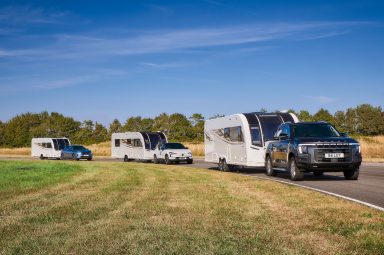
Alde or Truma? Caravan, Campervan and Motorhome Heating Systems
I’ve used both Alde wet central heating and Truma blown-air heating in all sorts of conditions, from relatively mild spring weekends in the UK to some seriously cold winter adventures.
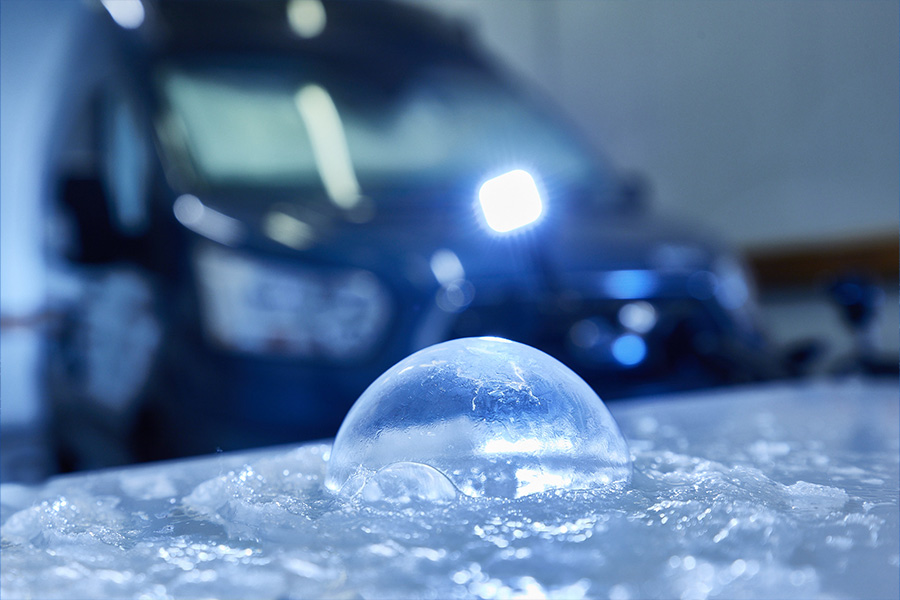
I’ve also seen heating systems being put through their paces in environmental test chambers at Alde and Truma facilities. Imagine an enormous industrial fridge, large enough to accommodate an entire caravan or motorhome, with temperatures dropping to minus 15°C. For the Grade 3 test, the vehicle is cold-soaked, with doors and windows opened as part of the preparation, before the doors are closed and its heating system has to raise the interior temperature to 20°C within four hours. It’s an impressive test to witness, but laboratory conditions only tell part of the story.
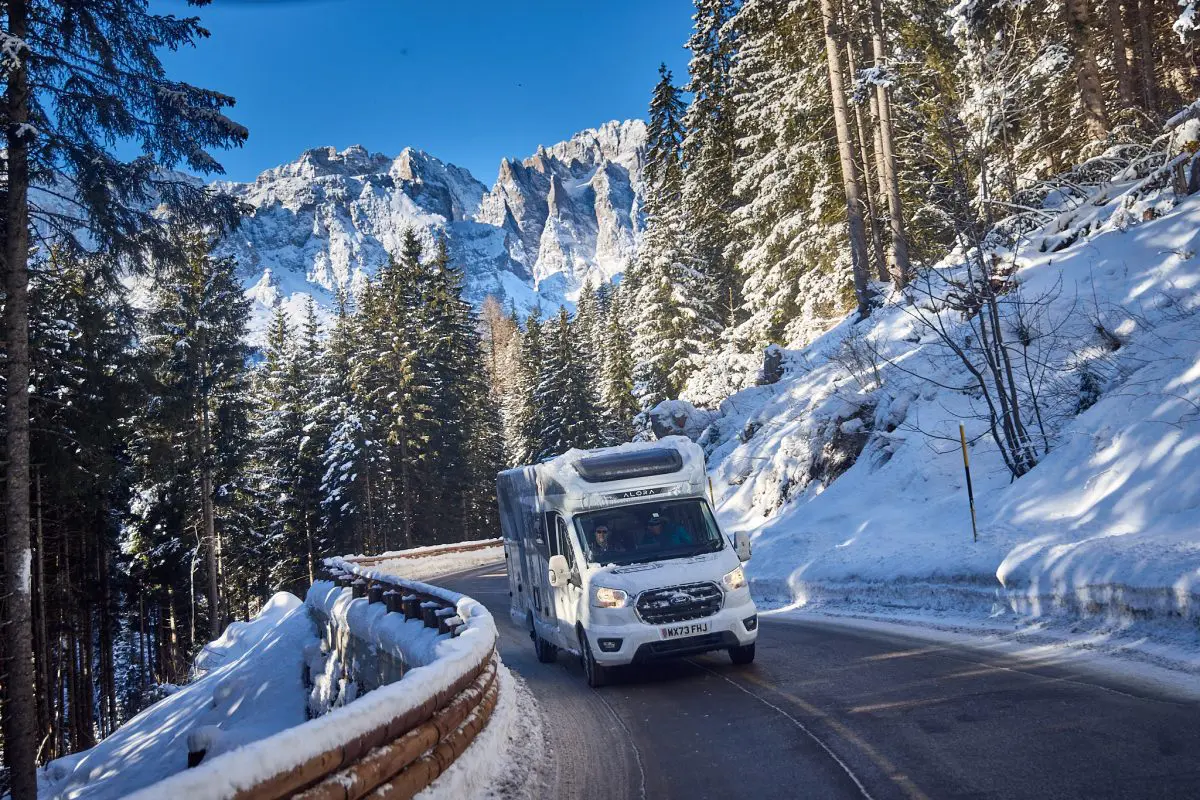
I’ve also toured by caravan inside the Arctic Circle in the depths of winter and spent time in a campervan in the Italian Dolomites when the temperature dropped to minus 20°C. Experiences like these give you a rather different perspective on what makes a good heating system.
What are the different types of caravan, campervan and motorhome heating?
Most modern caravans, campervans and motorhomes use one of two main methods of distributing heat: Alde central heating or Truma blown-air heating.
Alde is best known for its wet central heating systems, which circulate heated fluid through pipes and convectors positioned around the vehicle. Truma, meanwhile, is known for its blown-air heating, which warms air before distributing it through ducting and outlets around the interior.
There’s also another distinction worth understanding: the fuel used to produce the heat. Both Alde and Truma systems use electricity or LPG.
Both Alde and Truma can use a combination of energy types (i.e., gas and electricity) for faster heat-up times.
Some campervan or motorhome heating systems may have Truma’s diesel heating system, which uses diesel instead of gas.

Alde wet central heating: how does it work?
Alde wet central heating works similarly to the central heating in your home, although instead of conventional radiators, most leisure vehicle installations use compact convectors.
A boiler heats a mixture of water and glycol, which is circulated through pipework around the vehicle. The convectors then transfer warmth to the surrounding air, creating a gentle circulation of heat.
Once the interior has reached the desired temperature, the warmth feels remarkably consistent. There’s no noticeable blast of hot air from a vent, and very little operating noise.
That’s particularly welcome during longer winter stays, when you might have the heating running continuously.

Truma blown-air heating: how does it work?
Truma blown-air heating takes a different approach. Rather than circulating heated fluid, the system warms air and uses a fan to distribute it through ducts positioned around the caravan, motorhome or campervan.
Warm air emerges from outlets around the interior, helping bring the living space up to temperature.
I’ve used Truma systems in everything from compact campervans to larger leisure vehicles, and one of their most useful characteristics is how quickly they can start delivering warmth.
Arrive at a campsite on a cold evening, switch on the heating, and you can soon feel warm air coming through the outlets.
What about Truma diesel heating?
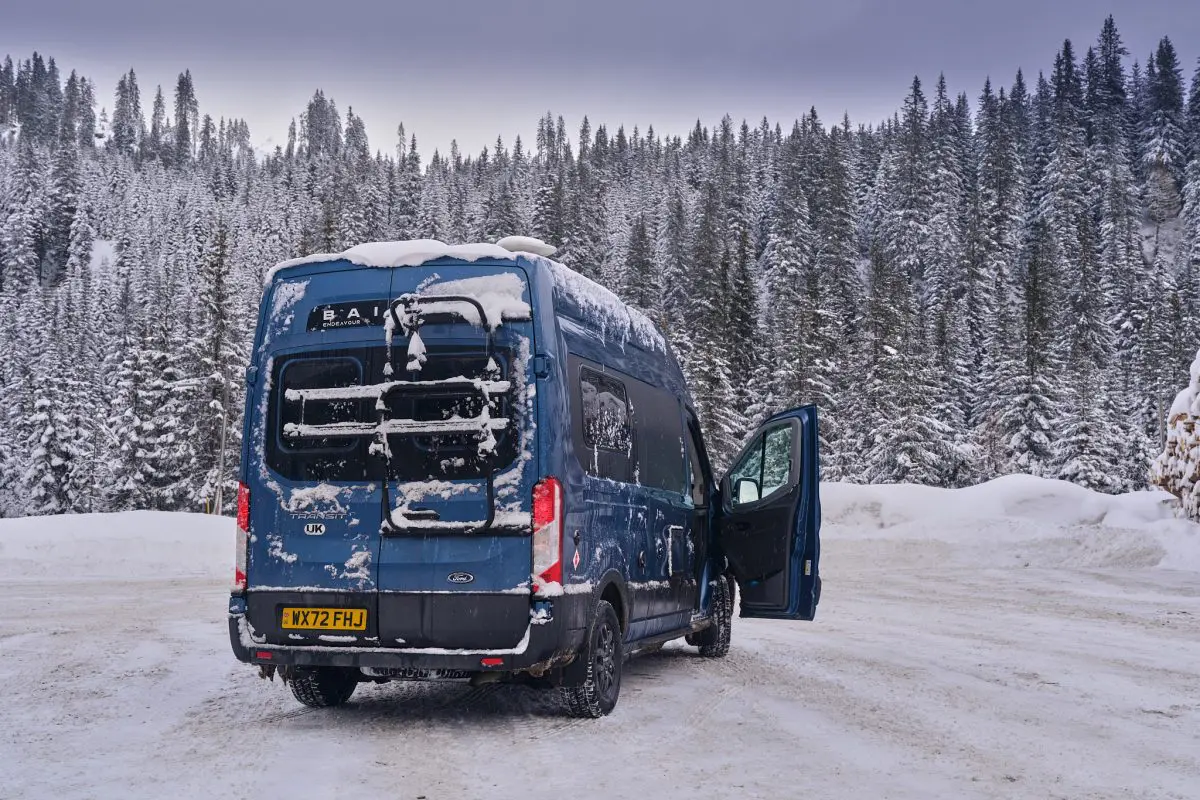
Diesel heating is particularly relevant to motorhome and campervan owners, especially those who regularly tour without an electric hook-up.
Rather than relying on a separate LPG supply for space heating, a diesel-powered Truma system draws fuel from the vehicle’s diesel tank.
Truma’s Combi D range uses diesel to produce heat, which is then distributed around the interior using blown air. These systems also incorporate electric heating elements for use when mains electricity is available.
The important distinction is that diesel heating is still blown-air heating. It’s the fuel source that’s different. It’s also worth noting that the Truma system will always leave you with diesel in your fuel tank, allowing you to refuel nearby.
What are the benefits of diesel heating?
One of the biggest attractions is convenience.
If you’re travelling in a diesel-powered motorhome or campervan, your heating can use the same fuel supply as the engine.
That can be particularly useful when touring abroad, where finding the right LPG bottle or a suitable refill point isn’t always straightforward.
Diesel heating also makes sense for owners who spend a lot of time off-grid, provided they have sufficient fuel and battery capacity.

Alde vs Truma: which is better for winter touring?
Both Alde and Truma systems can keep a caravan, campervan, or motorhome warm throughout the winter, even when temperatures drop well below freezing. The main difference isn’t necessarily how warm they can get the interior, but how they deliver that heat.
Alde’s wet central heating provides a gentle, even warmth, much like the radiators in your home. Truma’s blown-air systems can warm an interior quickly, making them especially useful when arriving at a campsite on a cold evening or returning after a day outdoors.
Having used both systems in everything from British winter conditions to temperatures as low as -20°C in Europe, I’d happily tour with either.
Summary: Which heating systemis best for you?
Ultimately, there’s no outright winner. Alde may have the edge for those who favour consistent, radiator-style warmth, while Truma offers fast, effective heating and plenty of flexibility. For winter touring, either system is a good choice.
Which heating type does each Bailey range have?
| Caravan | Unicorn Grande | Alde central heating |
| Caravan | Unicorn Deluxe | Alde central heating |
| Caravan | Unicorn Lite | Truma Combi Neo |
| Caravan | Pegasus Black | Truma Combi |
| Caravan | Phoenix Black | Truma Combi |
| Caravan | Discovery | Truma Combi |
| Motorhome | Autograph | Alde central heating |
| Motorhome | Ascent | Truma Combi Neo |
| Motorhome | Adamo | Truma Combi |
| Campervan | Endeavour | Truma Combi diesel |
| Campervan | Endurance | Truma Combi diesel |

Alde VS Truma: Frequently Asked Questions
Is Alde heating better than Truma?
Not necessarily. Alde wet central heating offers quiet operation and gentle, consistent warmth, while Truma blown-air heating generally provides a quicker initial warm-up. The best choice depends on your vehicle and touring habits.
Does Alde heating take longer to warm up?
Generally, yes. Alde systems heat circulating fluid before the interior reaches its desired temperature. Blown-air systems can begin delivering warm air more quickly.
Can Truma diesel heating be used off-grid?
Yes. Truma diesel heating systems can operate without mains electricity, although they still require sufficient 12V electrical power from your leisure battery.
Is diesel heating better than gas in a motorhome?
Diesel can be particularly convenient because it uses fuel from the vehicle’s tank. However, gas heating remains a practical option, and neither fuel is automatically cheaper or better in every situation.
Can Alde and Truma heating operate on electricity?
The Alde and Truma systems fitted to Bailey leisure vehicles can operate independently on mains electricity.
Latest news & events
See all news & events
THE EVENT | Open Weekend at All Spinney Retailers
WELLINGBOROUGH ROAD, RUSHDEN, NORTHAMPTON
Chipping Sodbury's Exclusive November Deals
BADMINTON ROAD, CHIPPING SODBURY, BRISTOL