Planning Motorhome Trips Abroad
Where to Stay when planning a trip in a motorhome: Top Tips
Campsites
Deciding where to stay on your motorhome travels is vital, as it can make or break your trip. How we decide on our campsites or wild camping spots (yes, we like to stay off-grid occasionally) comes down to where we are in the world.
Resources for travelling Western Europe
- Western Europe & UK: For most of Western Europe, we use the Caravan and Motorhome Club, as they not only have 130 sites in the UK, but a European network with over 300 sites across twelve different countries.
- Beyond Mainland Europe: When we head further afield and leave that network behind, we rely heavily on the Alan Rogers Guide. This is another great resource for European campsites, with thousands of sites across 27 countries.
For most people heading to Europe, those two resources will, 99% of the time, be more than enough.
Resources for travelling beyond Western Europe
If you find yourself heading to places such as Morocco, Turkey, Georgia, or Armenia, all places we’ve visited in the last eighteen months, there are some great apps to help you find places to stay.
- CamperContact: Lists verified campsites, motorhome stopovers and service points across Europe, North Africa and Asia
- iOverlander: Focused on international overland routes, it includes wild camping locations, hotel car parks, and restaurants that allow overnight motorhome stays, as well as maps of essential utilities like LPG filling stations and dump points.
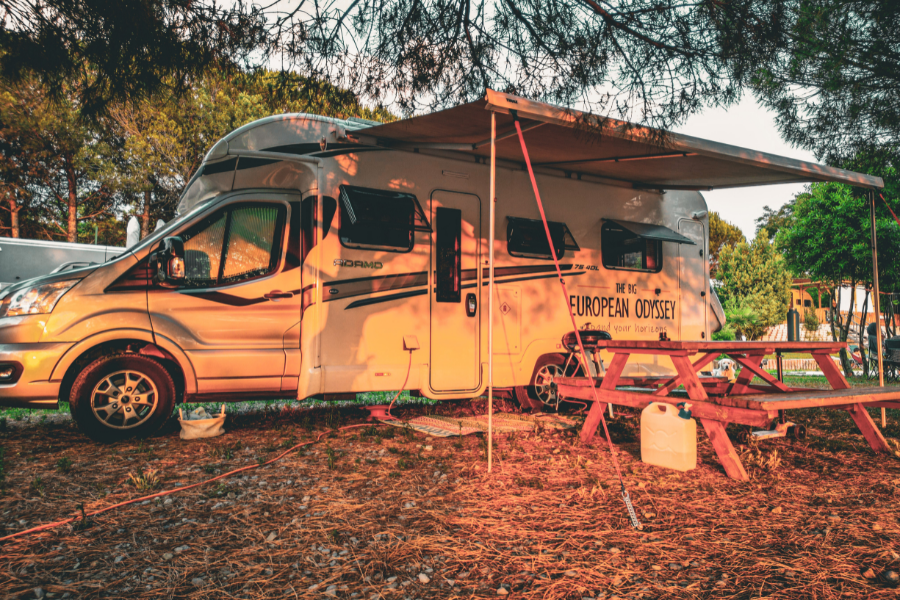
On the wild camping front, we do like to stay off-grid on our travels, and in some locations, it’s more of a necessity given that there is not an abundance of campsites in more remote countries that are not fully geared up for motorhomes.
Resources for Wild Camping
- While the above apps are useful for wild camping, the addition of Park4Night means you have everything you need to decide where to stay.
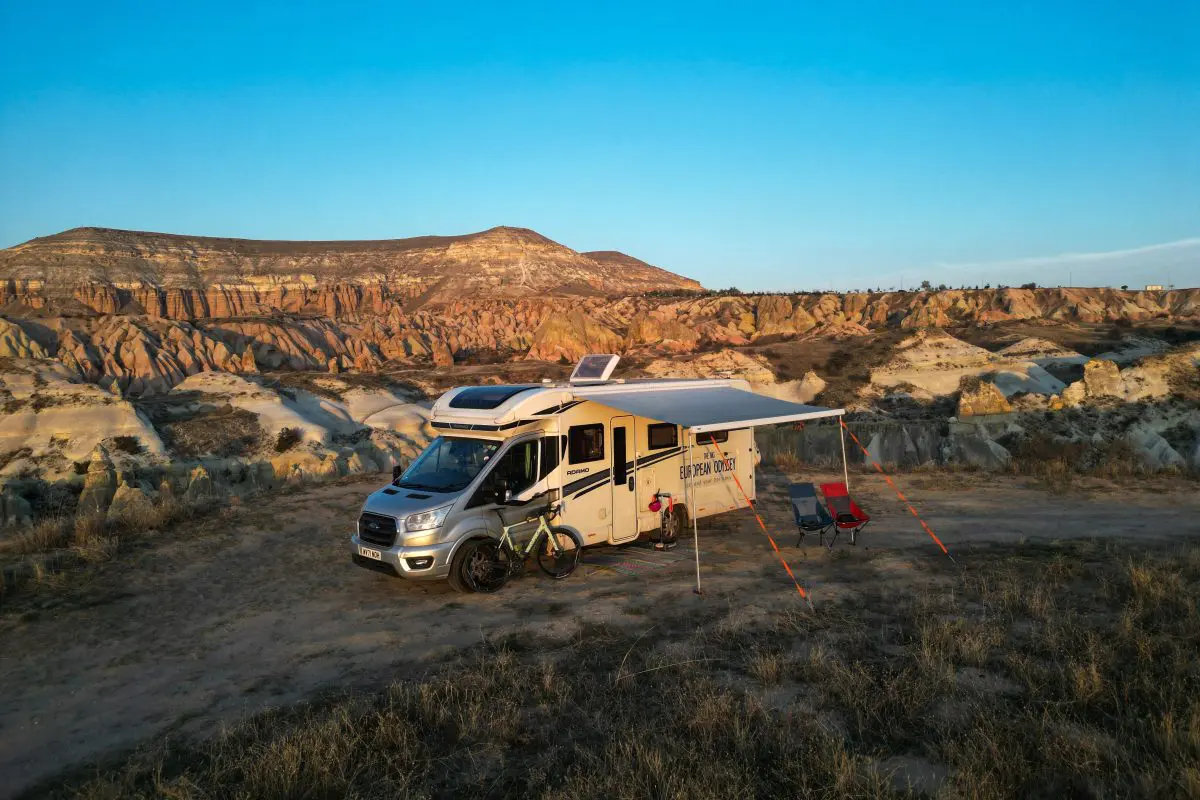
How to Get There
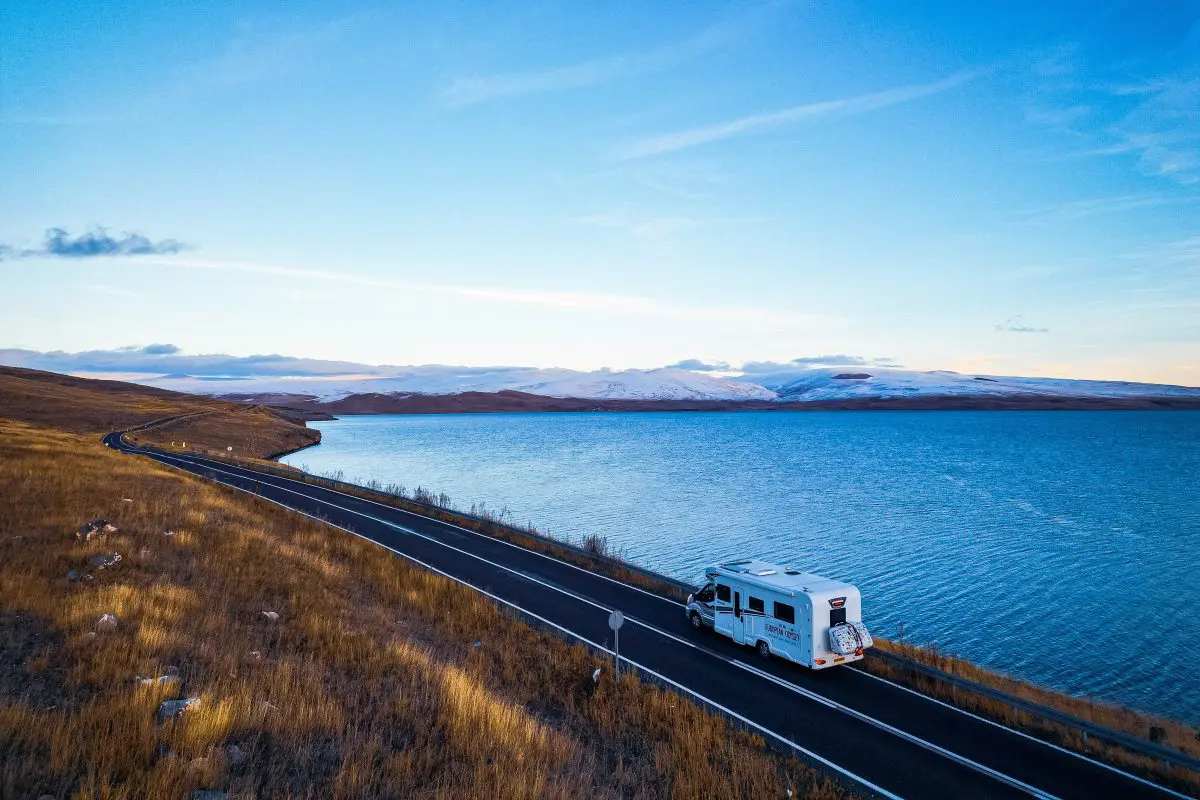
This brings us to how to get to where you want to be. Over the course of The Big European Odyssey, we’ve relied on a combination of navigation tools and digital maps to guide our route through the eighteen countries across Europe, North Africa and Western Asia.
Using vehicle-specific navigation
For the entirety of our travels, we have used a Garmin Camper 1090, and it has been worth its weight in gold.
With it being a leisure vehicle-specific sat nav, you enter your vehicle dimensions, and then it will only ever take you on routes that are suitable for your vehicle size and weight.
The Garmin Camper 1090 includes preloaded maps for the whole of Europe and allows you to download more regions if you need them (like North Africa and Asia) directly through the device. Updates are provided regularly, so you always have access to accurate road data, campsite locations and service points
Using Google Maps
For route checks and last-mile navigation, we often turn to Google Maps and Google Street View.
It’s a very handy tool to use if you want to see what road surfaces are like in more remote locations. If we are heading over a mountain pass in rural Morocco, as an example, even if we know there are no issues with vehicle size, it’s good to know what to expect in terms of road quality.
We are more than comfortable on gravel roads, but not everyone is, so it’s worth double-checking routes that you’re unsure about ahead of time.
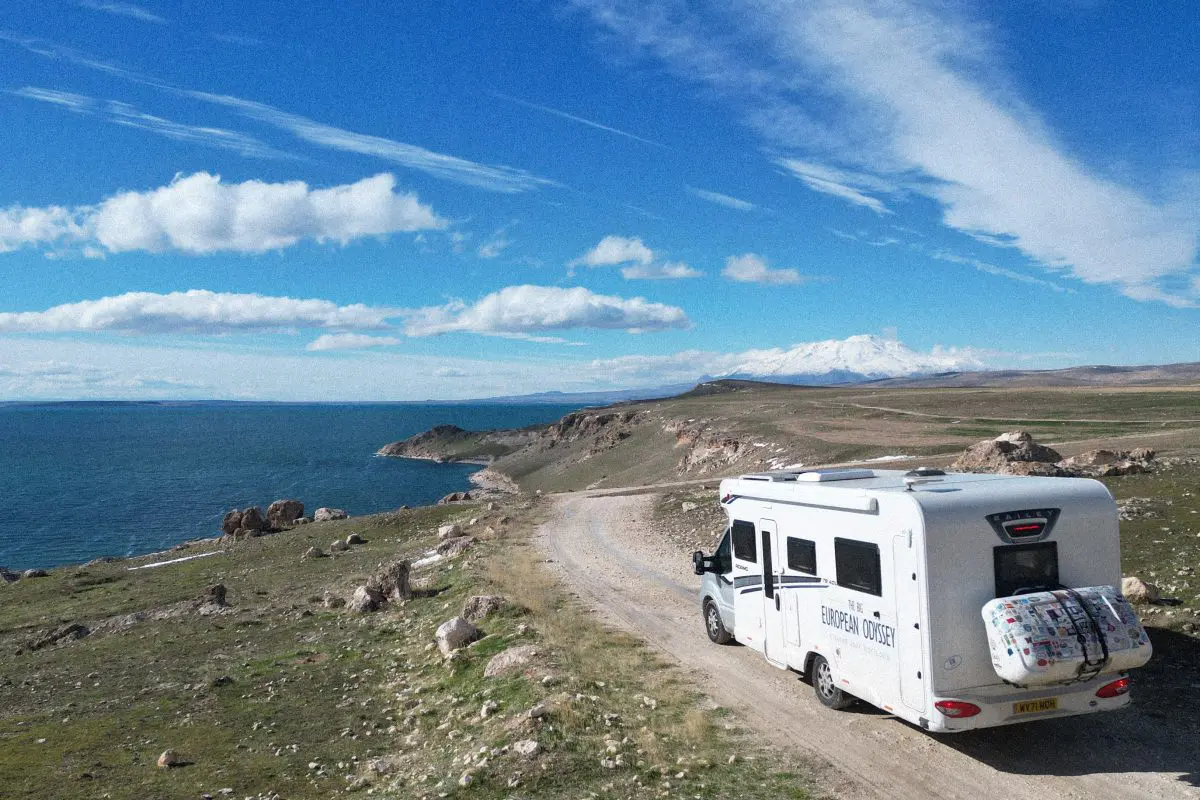
What to do
While some obvious must-see places on our travels draw bigger crowds, on the whole, we much prefer getting away from the tourist trail and instead discovering places and attractions that are a little bit different.
One of the best resources for finding such places is Atlas Obscura, which offers a database of places, foods, and experiences aimed at inspiring wonder and curiosity about the wonderful world we all share.
Culture Trip is a great place to search in the location you are for those quirky stories and unique experiences available, rather than the standard must-see and everyday tourist options. No matter where in the world you travel, there are always hidden stories and experiences for those prepared to venture away from the masses.
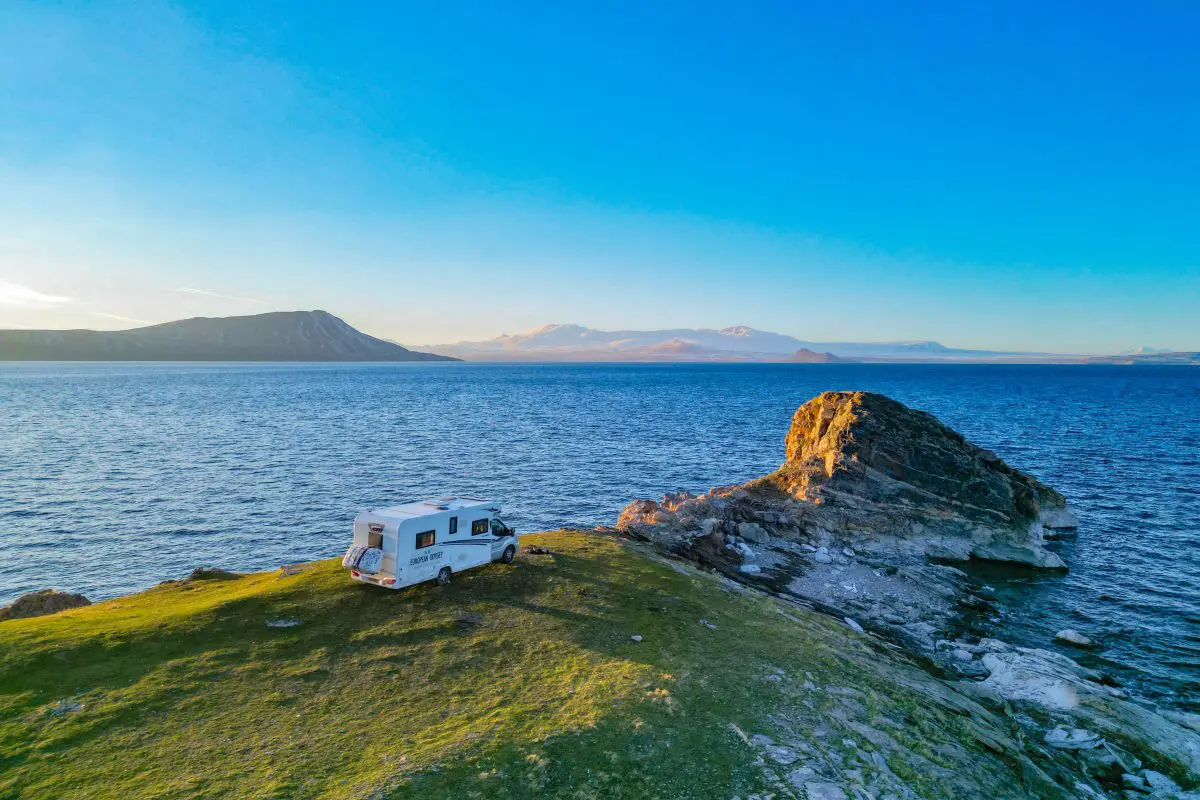
Instagram might not seem an obvious place to discover what to do in a region, but it’s been an invaluable resource for us. Why? People often post the best places and things that are most worth seeing, with the bonus that you can see and be inspired by their pictures.
This is also a great way for us to get the kids excited about places. Simply go to the search page on Instagram, type the name of your travel destination, and then click on ‘places’ on the top bar underneath the search function.
When planning what to do on the road, we combine the best of these platforms to create a travel experience that’s both unique and achievable in a motorhome.
- Atlas Obscura helps us pinpoint rare landmarks and natural wonders, or even something a bit more quirky that piques our interest.
- Culture Trip highlights meaningful cultural activities and hidden local stories nearby.
- Instagram brings it all to life visually, helping us preview some of the experiences we’re considering going to see. It also helps us gauge popularity, and maybe even work out the quietest times to head to a place.
For example, we might find an unusual fortress on Atlas Obscura, read about its history and surrounding villages on Culture Trip and then use Instagram to preview the best routes or photo opportunities nearby.
To stay up-to-date with our travels in real-time, as well as ask us any questions about our life on the road in our Adamo 75-4DL or about any of the places we have visited, please feel free to contact us on social media. Our handles are @MarcusLeachGlobal and @Our.Roaming.Odyssey, and on X (Formally Twitter) at @MarcusGLeach.
Previous
Motorhome off-grid living: wild camping tips
Next
Winter Touring in Innsbruck
Latest news & events
See all news & events
Grantham's Midlands Caravan & Motorhome Season Ready Show
SPITTLEGATE LEVEL
GRANTHAM