Tips for booking last-minute motorhome holiday deals
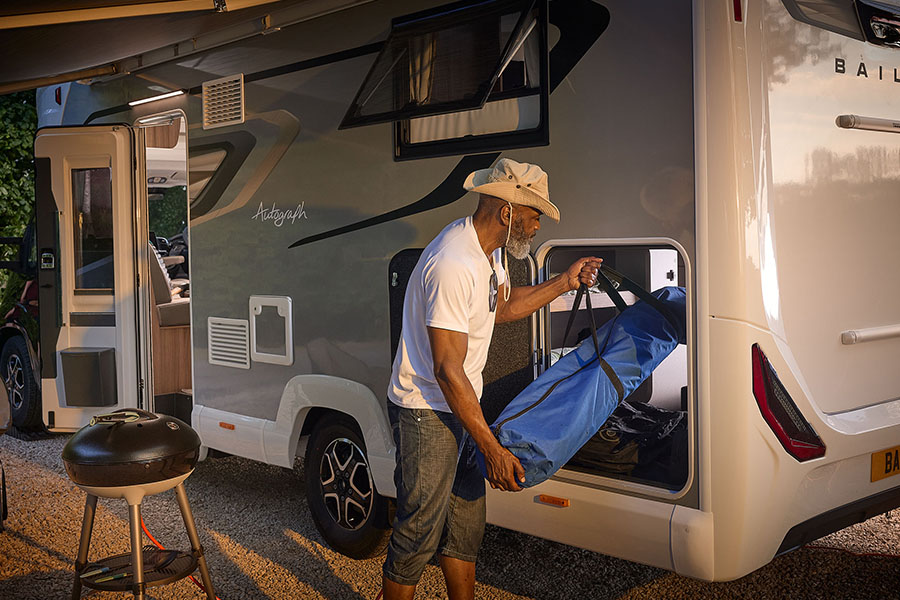
While the beauty of a campervan or motorhome is that you already have your accommodation on wheels, you still need to find a comfortable, safe (and legal) place to pitch up for a night or two.
The UK is actually very well set up to help you find a quick place to stay wherever you may want to head; you just need to know some tricks for finding one.
This guide covers the best ways to book last-minute campsites, plus what to do when campsites are full. So, if that sounds like questions you need answers to, then read on.
What are the easiest ways to book last-minute campsites?
1) Use club site search tools first, because they’re built for this task
If you want to go away this weekend, the best place to start is with the big networks:
The Caravan & Motorhome Club
The Camping & Caravanning Club
This is because they update availability properly, and they’re used to helping people with short-notice bookings. Both of these also have map-based site search tools, so you can easily see what’s available where.
The Caravan and Motorhome Club: Late Availability Checker
The Caravan and Motorhome Club has a dedicated Late Availability Checker for its UK Club campsites. It’s designed specifically for trips in the next few weeks, so you’re not scrolling through endless fully-booked calendars.
How you can use it to find a last-minute trip:
- Search by region first (not a specific town)
- Be flexible on pitch type (hardstanding vs grass)
- Check Sunday–Wednesday as well as Friday–Sunday (because you’ll often find gaps)
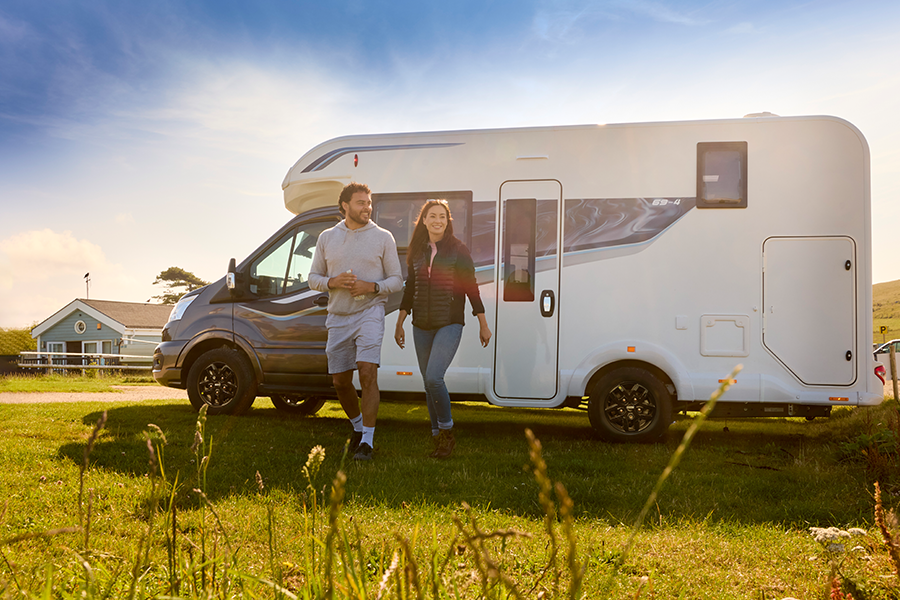
Don’t forget CLs (Certificated Locations)
CLs are small, member-only sites, and they can be brilliant for a last-minute because a lot of people never think to stay on them. The Club’s CL pages let you search and book these too.
If you’ve never stayed on a CL, expect to stay somewhere that’s quiet and often rural. For example, many family-run farms or pubs will section off a portion of their land for you to stay on.
The owners will often be on hand to show you around, and they’re usually very used to short-term stays.
Just be aware that some CLs won’t have electric hookup, and some don’t have a toilet block for you to use.
2) The Camping and Caravanning Club (and their CS network)
The Camping and Caravanning Club is similar to the Caravan & Motorhome Club, except they tend to feel slightly more mixed in style and setting and cater to tents as well as leisure vehicles.
In terms of facilities, the Camping & Caravanning Club run along the same lines as the Caravan & Motorhome Club sites. You can expect:
- Well-maintained pitches (hardstanding and grass)
- Proper shower and toilet blocks
- Electric hook-up options
- Waste disposal and water points
- Clear arrival systems
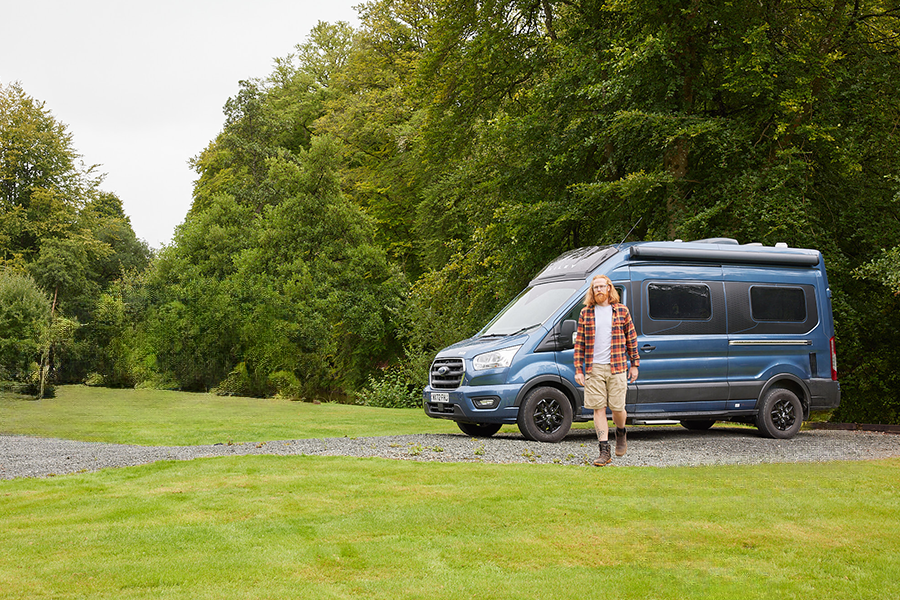
The real advantage for last-minute trips through The Camping & Caravanning Club, though, is their CS network.
Much like Certified Locations, Certified Sites are small, member-only sites, usually limited to five caravans or motorhomes (plus tents). They’re often on farms, smallholdings or privately run land.
If you’re booking late, these smaller networks are often where you’ll find space when the headline coastal sites are fully booked.
3) Independent sites and booking platforms (where cancellations show up)
Once the clubs are checked, your next best bet is to search for independent campsite options. These are campsites not owned by or affiliated with either club, and it’s where you often pick up last-minute gaps because:
- Someone cancelled a weekend
- Owners open an extra field
- Midweek stays pop up for cheaper
If you’re interested in booking an independent site, some good places to check are:
- Pitchup (Look for your vehicle type)
- Hipcamp (Be sure to select your vehicle type)
- UKCampsite
4) Brit Stops (and similar schemes)
If your last-minute getaway aim is to go on a bit more of an informal road trip style break, then Brit Stops is exactly what you’ll need.
Brit Stops is a membership scheme offering one-night stopovers with hosts (pubs, farm shops, vineyards and more), aimed at motorhome and campervan owners:
- It’s designed for one-night stays
- It suits touring routes
- It often works when campsites are full
The only thing to be aware of is that Brit Stops comes with its own culture of politeness. What this looks like in practice is just being a good, courteous guest. For example, if you’re staying at a pub, have a meal there. If it’s a farm shop, buy some produce you can take with you for later in your trip. That’s the idea behind the app and provides a mutually beneficial service for both the business owner and the guests.
5) Use Google Maps (or Bing) as a local would
Using Google Maps is one of the quickest ways to find small sites that don’t appear on big booking platforms.
How to do it:
- Zoom into the area you want (don’t zoom too close yet)
- Search terms like:
- campsite
- caravan site
- motorhome site
- CL site / CS site
- Open the listings and look for either contact details (a phone number, email or website) or recent reviews to double check it’s suitable.
- Call them.
With these kinds of sites, calling is likely your best method for booking because you’ll get an immediate response.
6) Use AI to narrow the search (but always verify)
A really modern way to find a good campsite at the last minute is to use AI in your search. So choose a platform like Gemini, ChatGPT or Perplexity. However, make sure to always verify any suggestions it makes, because campsites may have changed opening hours, not actually have availability or even have permanently closed down since the AI last learned about them.
You can ask AI things like:
- “Find small, quieter campsites within 2 hours of Bristol that accept motorhomes and have hookup.”
- “Suggest three areas in the UK that are likely to have campsite availability this weekend and decent weather.”
If you use AI well, it can save you some serious time, which is ideal when looking last-minute.
Things to check before you book last-minute
Last-minute trips are spontaneous by their nature, so before you go, just make sure you sense-check the same kind of things you would do if you had a bit more planning time.
Consider the pitch and access you need:
- Hardstanding vs grass (Particularly if it’s been raining, grass can be a challenge)
- Motorhome length limits (Some smaller sites physically can’t take bigger vans)
- Access roads (Make sure your motorhome can fit down the route to get to the campsite, and that you’re confident to drive there)
- Arrival times (Some sites won’t accept late arrivals)
Consider whether the site has the facilities you need:
- Do you want or need electric hookup?
- Does it have fresh water & waste disposal? If not, how long can you remain off-grid before you’ll need to stay at a campsite for a night?
- Does it have a toilet block? And if so, is it open during the time of year you’re travelling? (Some campsites open washrooms only during peak months)
- Does the site have a good phone signal? (Some booking websites will let you know, but for others, you may have to check the signal maps on your mobile provider’s website)
- Can you bring your dog (if you have one)?
Where to stay when all campsites are full?
Sometimes, even with all the right tools, the obvious places are booked out. That doesn’t mean the trip’s off, but it does mean you’ll have to get a little more creative with the following methods:
1) Park4Night
Park4Night is essentially a community map of places to stop, with reviews and photos. It’s popular with motorhome and campervan travellers, and the listings are huge.
It can help you find places to stay, like:
- Car parks that allow overnight stays
- Aires and stopover points
- Services like water, disposal, etc.
However, with Park4Night, be sure to check that every location is actually legal and correct. Given that listings are created by individuals, you will just need to verify them yourself by:
- Read the most recent reviews
- Look for mention of signs, fines, barriers, and height restrictions
- Check local council guidance if you’re unsure
2) Is wild camping in Scotland an option for last-minute motorhome travel?
People often say, “wild camping is legal in Scotland.” And while that’s broadly true for lightweight camping, it actually doesn’t include motor vehicles.
So if you’re in a motorhome or campervan, you won’t be able to wild camp in the classic sense (as in, pitching up anyway). Instead, you’ll need to look for responsible overnight parking, local rules and permitted schemes.
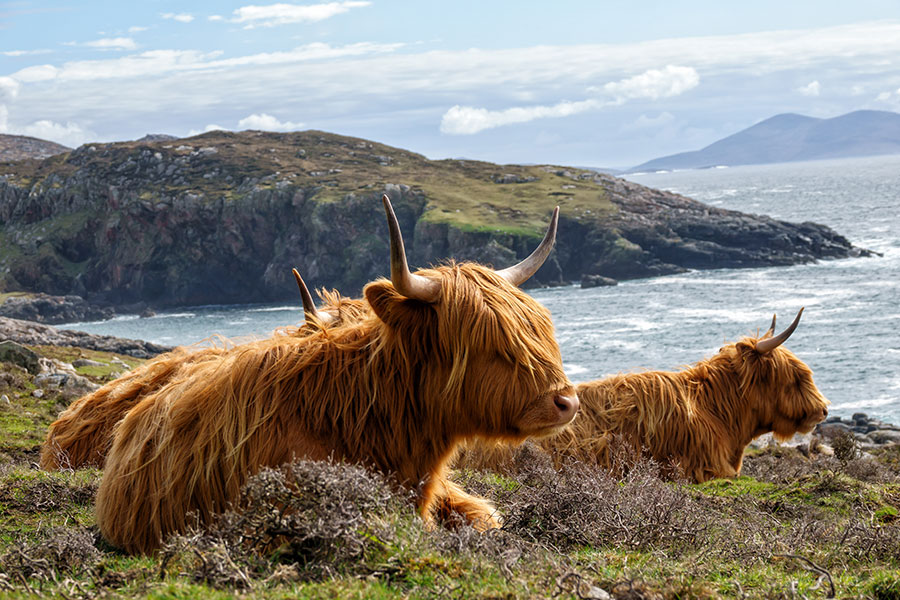
Forestry and Land Scotland “Stay the Night”
Forestry and Land Scotland runs a “Stay the Night” scheme where self-contained motorhomes and campervans can park overnight for one night in some forest car parks, and the scheme runs year-round.
However, be aware that some areas have camping management byelaws and parking restrictions. And some hotspots are heavily managed.
So make sure you check signage, don’t block access and keep it tidy. That way, you’ll likely have a much calmer stay.
3) England and Wales: wild camping rules (and what that means for motorhomes)
In England and Wales, wild camping generally isn’t legal without landowner permission, according to the Ordinance Survey guide.
For motorhomes, it’s even more important to separate two ideas:
- Wild camping (a tent on land)
- Overnight parking (a vehicle, in a place that allows it)
Even if you’re not “camping” outside the van, plenty of car parks and laybys have restrictions on overnight stays. So rely on permitted stopovers (Brit Stops, formal schemes, campsites, aires where available), or get permission.
What about Dartmoor?
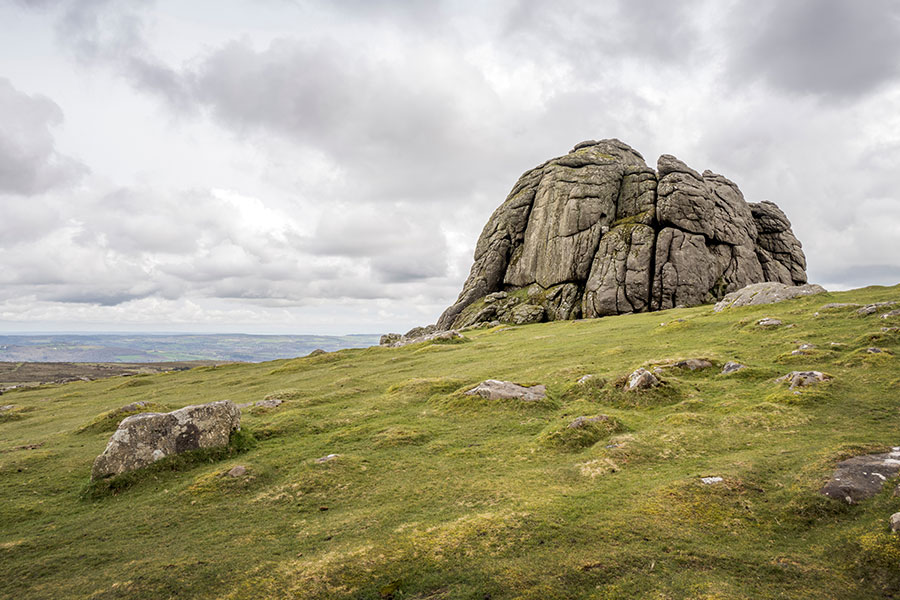
Dartmoor is often mentioned because it’s a rare example where wild camping rights have been confirmed by the Supreme Court. However, even here, that applies to backpack/lightweight camping only and not vehicles.
So if you’re touring by vehicle, don’t treat Dartmoor as “vehicle wild camping is fine”. Stick to proper sites and permitted stopovers.
Going off-grid for a couple of nights: why the right vehicle makes last-minute trips easier
If you’re relying on electric hook-up and full facilities every single night, your trip options shrink fast when the popular sites are full. But if your van can comfortably handle a couple of nights off-grid:
- You can easily choose a Brit Stop that appeals to you
- You’ll have the option of a one-night stopover anywhere legal on route
- You can choose a small CL or CS site with no trouble
- You can consider Scotland’s permitted schemes with a lot more ease
And that’s exactly why certain Bailey vehicles suit this style of touring so well.
Why Bailey Endurance for last-minute adventures?
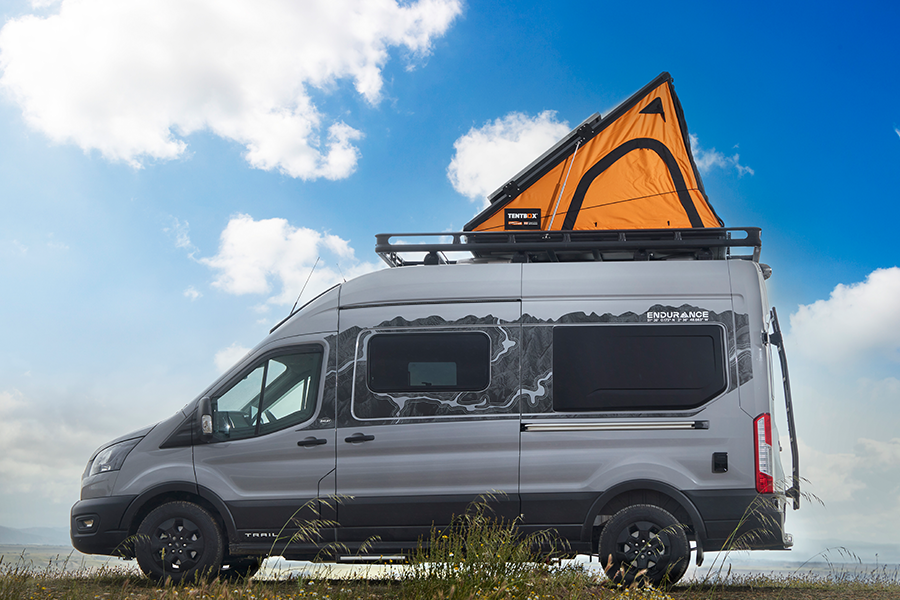
If your version of a last-minute break means heading somewhere quieter and off the beaten track, the Endurance range is designed to cope without relying on hook-up.
Off-grid capability is part of the standard set-up. You’ve got a 130-watt solar panel, two 80Ah AGM leisure batteries, and Truma Diesel Combi D4E heating, so power and warmth aren’t dependent on the place you stay.
The Ensurance is a compact 6-metre campervan, which makes access easier on narrower lanes, and the raised rear fold-away bed means you can keep living space clear during the day without constant reconfiguring.
Inside, cooking, showering and heating are all self-contained, which is useful when the nearest facilities block is a walk away, or simply not there at all.
If you want to go further, the Adventure Pack upgrades you to twin 100W roof-mounted solar panels, adds a Rhino roof rack and ladder, plus off-road lighting.
Add the TentBox roof tent, and you increase berths to four, which is ideal if you’d sometimes like to go away with more than two of you.
The Autograph range
If your version of spontaneous travel still includes proper comfort at the end of the day, the Bailey Autograph range makes that entirely realistic.
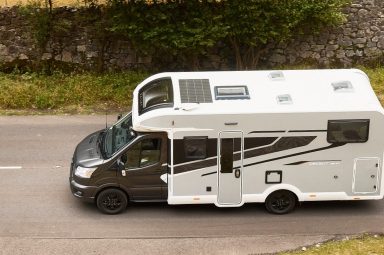
These are wide-bodied motorhomes designed to be self-sufficient. Models such as the Autograph 79-4I come with a 200W solar panel, twin underfloor 95Ah AGM leisure batteries and Alde radiator heating and hot water, so staying somewhere without hook-up for a night or two doesn’t mean compromising on warmth or power.
Inside, the layouts are built for longer stays. You’ll expect to see things like a proper island bed, a separate shower cubicle, and even a well-equipped kitchen with a tower fridge and generous worktop space.
All of these luxuries mean that even if you’re parked on a small CL or a simple rural site, you can still feel like you’re in the comfort of your own home.
Ready to make last-minute getaways your new normal?
If you’re already touring in a Bailey, you’ll know how easy it is to find a pitch and head off with confidence.
And if you’re still deciding which motorhome or campervan suits your style of travel, it’s worth exploring a range that’s built for flexibility from the outset.
Take a look at the Bailey range of:
Or for more travel inspiration, visit our blog here
Latest news & events
See all news & eventsChipping Sodbury's Exclusive November Deals
BADMINTON ROAD, CHIPPING SODBURY, BRISTOL